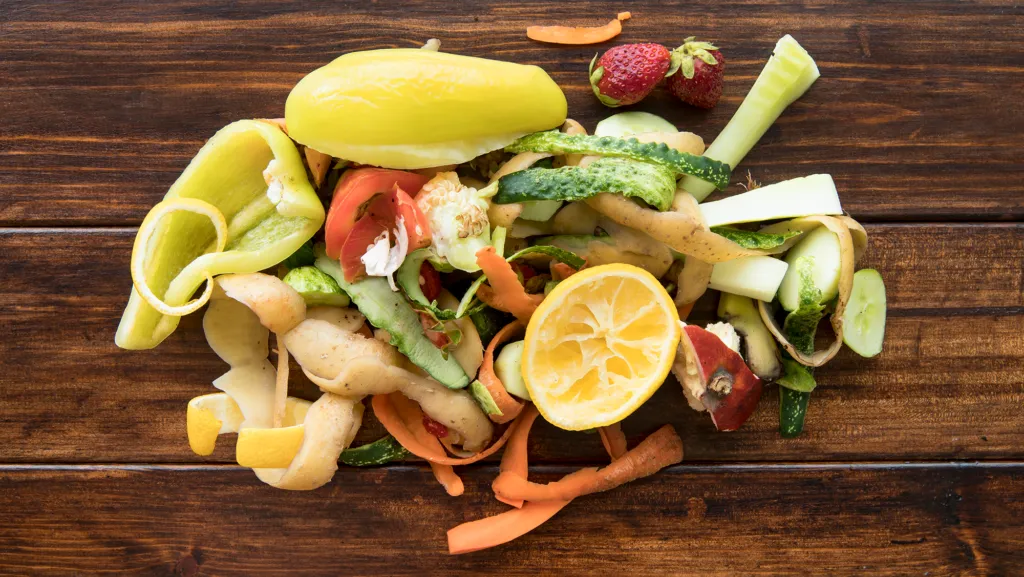
List of Compostables
So, you're ready to start collecting household scraps for composting? Great choice, if I do say so myself.
You'll be amazed at how much food you divert from landfills and how nourishing the resulting compost is for the soil you use to grow, well, almost anything.
Once your indoor bin is full of food scraps, scraps from your indoor plants, and even some outdoor yard waste (which I personally throw directly in my outdoor bin), you'll need another bin to hold all the scraps to start breaking down. This other, bigger bin is best kept outside and closed so that critters cannot get in. Raccoons can open many bin openings, so be sure to secure them tight! I have kept my outdoor bin in the garage (pro: no raccoons/con: no sunlight to help break it down). I have also kept it outside the garage, which is easier to access.
In the Hudson Compost Collective, here is what we do and do NOT accept in our weekly scrap collection buckets. This is a non-exhaustive list, but a great place to start. And remember: the better you chop, tear, and make your scraps smaller, the faster and easier they break down into compost. I'm looking at you, watermelon rinds!
Any questions? Just ask!
Yes List - "Green" materials
Fresh and expired/moldy vegetables, including seeds and skins
Fresh and expired/moldy fruit, including pits, skins, peels, and cores
Coffee and tea grounds
Unbleached used and unused coffee filters
Paper towels and napkins soiled with food materials
Rinsed, empty eggshells
Stale grains and bread+
Yes List - "Brown" materials
Shredded paper and newspaper that isn't glossy and doesn't have colored ink - yes, even junk mail (no envelopes with clear plastic windows)
Toothpicks
Toilet paper and paper towel rolls
Weeds, dry leaves, all grasses, straw, hay
Wood chips and small twigs/branches
Crushed up paper egg cartons
Cardboard (torn up/broken down)
No List - "Green" materials
Meats/Bones
Cheeses
Stickers on fruits and vegetables
Tea bags (unless they are made of organic material - most are made of plastic nowadays)
Raw/Cooked eggs
Processed and oily foods
Human/Pet waste
No List - "Brown" materials
Diseased plants or anything with seeds (the weeds will sprout in our gardens!)
Treated and stained wood
Coal/Charcoal
Cardboard with colored ink/tape/glue
+Be sure to add grains/breads in small quantities because they can attract critters and pests.
What did I miss? What from the list surprises you the most? 🌱
